

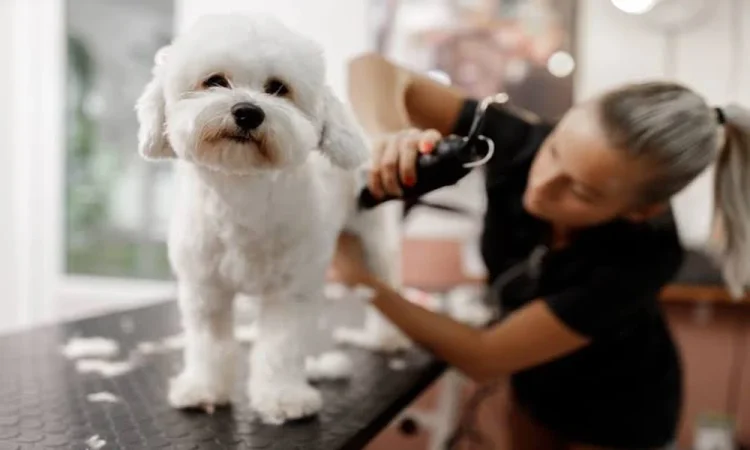
Maintaining your pet’s coat is an important part of responsible pet care. Regular grooming helps improve appearance, supports skin health, and keeps pets comfortable. Whether you have a dog or a long-haired cat, understanding proper trimming techniques can make grooming safer and more effective.
While professional grooming services are helpful, many basic grooming tasks can be performed at home with suitable equipment. Following a consistent grooming routine helps prevent tangles, maintain cleanliness, and keep your furry companion looking and feeling their best.
Why Regular Pet Hair Trimming Matters
Pet grooming involves more than maintaining an attractive appearance. Depending on the breed and coat type, regular trimming can help manage overgrown fur, reduce tangles, and improve hygiene.
Long-haired pets may develop knots and mats when their coats are not maintained properly. These tangles can pull on the skin and cause discomfort.
Regular coat maintenance offers several benefits:
- Improved hygiene: Trimming excess hair around appropriate areas helps reduce dirt accumulation.
- Reduced tangling: Regular brushing and suitable trimming prevent uncomfortable knots.
- Greater comfort: Managing overgrown fur helps pets move comfortably.
- Health monitoring: Grooming provides opportunities to notice skin irritation, parasites, or unusual changes.
- Easier maintenance: A well-maintained coat is easier to brush and clean.
However, not every pet requires frequent haircuts. Grooming needs depend on breed, coat type, and individual characteristics.
Understanding Different Pet Coat Types
Before trimming, identify your pet’s coat type to determine the most suitable grooming approach.
Short-Haired Coats
Short-haired pets, such as Beagles and domestic shorthair cats, generally need regular brushing rather than extensive trimming.
Brushing removes loose fur and helps maintain coat cleanliness.
Long-Haired Coats
Long-haired breeds, including Shih Tzus, Maltese dogs, and Persian cats, require more frequent grooming to prevent tangles.
Pay particular attention to areas behind the ears, around the legs, and beneath the belly.
Double-Coated Breeds
Huskies, Golden Retrievers, and Pomeranians have protective double coats that provide insulation.
Unnecessary shaving can interfere with their natural coat structure. Regular brushing is generally preferable unless professional guidance suggests otherwise.
Essential Tools for Effective Pet Hair Trimming
Using suitable grooming equipment helps achieve better results while reducing discomfort.
Pet Grooming Clippers
Pet clippers are designed specifically for animal fur and can make basic trimming more convenient.
Pet owners looking for practical grooming equipment can explore a ペット バリカン with cordless functionality and suitable grooming attachments for different trimming requirements.
Always select appropriate cutting lengths and follow the manufacturer’s safety recommendations.
Grooming Scissors
Rounded-tip scissors can help trim selected areas carefully. However, avoid using scissors near sensitive skin, moving pets, or tightly matted fur.
Professional assistance is recommended for complicated trimming tasks.
Brushes and Combs
Slicker brushes, pin brushes, and grooming combs help remove loose fur and identify tangles before trimming.
Choose tools based on your pet’s coat length and texture.
Preparing Your Pet for a Safe Trimming Session
Proper preparation makes grooming more comfortable and manageable.
Begin by brushing the coat gently to remove loose hair. Avoid forcing clippers through tangled or severely matted fur.
Introduce grooming equipment gradually, allowing your pet to become familiar with its appearance and sound.
Offer treats and praise to encourage calm behavior. Choose a quiet location with a stable, non-slip surface.
Keep initial sessions short, especially when grooming puppies, kittens, or nervous animals.
Best Practices for Trimming Pet Hair Safely
Start with Small Sections
Begin trimming in an area where your pet feels comfortable being touched.
Work gradually through small sections rather than attempting to finish everything immediately.
Follow Hair Growth Direction
Move clippers gently in the direction of hair growth to achieve a smoother finish.
Avoid applying excessive pressure against the skin.
Use Appropriate Cutting Lengths
Start with longer guard attachments to prevent cutting too much hair.
Different breeds require different coat lengths, so avoid unnecessary close shaving.
Protect Sensitive Areas
Exercise caution around the face, ears, paws, belly, and skin folds.
If your pet moves frequently or becomes uncomfortable, stop trimming and seek professional assistance.
Monitor Equipment Temperature
Clipper blades may become warm during extended grooming sessions.
Check blade temperature regularly and allow equipment to cool when necessary.
Common Pet Hair Trimming Mistakes to Avoid
Even simple grooming tasks require careful attention.
- Skipping brushing: Tangled fur may catch in clipper blades.
- Using unsuitable tools: Equipment not designed for pets may pull or damage fur.
- Trimming too closely: Extremely short cuts can cause irritation or accidental injuries.
- Ignoring discomfort: Stress signals indicate that your pet needs a break.
- Shaving double coats: Unnecessary shaving may affect natural coat protection.
Avoiding these mistakes helps create a safer and more comfortable grooming experience.
Maintaining Grooming Tools Properly
Clean grooming equipment after every session to maintain hygiene and performance.
Remove accumulated hair from clipper blades and attachments. Follow manufacturer instructions for cleaning and lubrication.
Inspect blades for dullness or damage, as worn equipment may pull fur rather than cut smoothly.
Store grooming tools in a clean, dry location. For cordless devices, follow recommended charging practices to maintain battery performance.
Creating a Consistent Grooming Routine
Grooming schedules should reflect your pet’s breed, coat type, and lifestyle.
Long-haired pets may require daily brushing, while short-haired breeds often need less frequent maintenance.
Combine grooming with regular skin inspections, nail checks, and ear care.
Keep sessions positive by rewarding calm behavior and allowing breaks whenever necessary.
Professional groomers can assist with difficult coat types, severe matting, or sensitive trimming areas.
Conclusion
Regular pet hair trimming supports coat cleanliness, comfort, and overall hygiene. Understanding coat types, using suitable grooming equipment, and following safe techniques can make grooming more manageable.
By maintaining your tools, establishing a consistent routine, and respecting your pet’s individual needs, you can create a positive grooming experience that keeps your furry companion healthy, comfortable, and well-groomed.

