
Dogs love to chew and play, but chews and toys serve different purposes in your pet’s daily routine. While the best dog chews bone can satisfy a natural urge to gnaw and provide a calming activity, dog toys encourage exercise, mental stimulation, and bonding. Understanding the difference can help you choose the right options based on your dog’s needs and play style.
What’s the Real Difference between Dog Toys & Dog Chews?
Dog chews and dog toys might feel similar, but they serve very different purposes.
Chews are things your dog gnaws on, and usually eats little by little. Bully sticks, dental chews, rawhide-style treats, that sort of thing. The best dog chews are the ones that keep your dog occupied for a good stretch and don’t fall apart in five minutes.
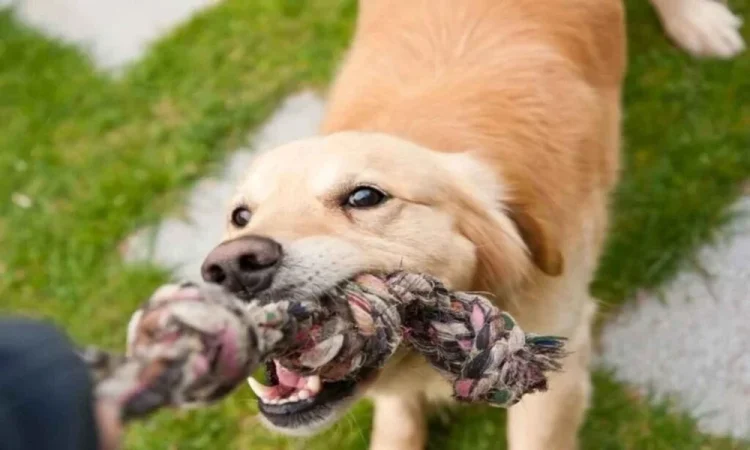
Toys are for playing, such as balls, tug ropes, squeaky plushies, and puzzle toys. Your dog isn’t supposed to eat these (even though some dogs seem determined to try). Toys are about movement, energy, and honestly, just having fun with you.
Here’s a quick side-by-side look to make things clearer:
| Features | Dog Chews | Dog Toys |
| What they’re for | Gnawing, teeth cleaning, calming down. | Playing, running, bonding with you. |
| Do dogs eat them? | Yes, slowly, over time. | No, not meant to be eaten. |
| Good examples | Bully sticks, dental chews, collagen sticks. | Balls, rope toys, puzzle feeders. |
| Best used when | Your dog needs to settle down or is home alone. | You want to play or tire them out. |
| For big dogs | Get a chew sized for their bite. | Look for large dog toys made for strong jaws. |
Why Chewing Matters So Much to Dogs?
Chewing isn’t just a puppy phase; it’s built into dogs. Even old, calm dogs still want to chew on something most days. It helps their jaw, cleans their teeth a bit, and honestly just calms them down when they’re stressed or bored.
If you don’t give them a good chew, guess what becomes the chew toy instead? That one table leg they’ve had their eye on for weeks, your shoes, your couch.
Vets usually say to pick chews that bend a little, not rock-hard ones. Really hard chews like antlers or actual bones can crack a tooth, and dental bills aren’t fun. Softer chews made from things like yak milk or beef tendon tend to be a safer bet.
Why Toys Matter Just as Much?
While chews keep the mouth busy, toys keep the whole dog busy. Playing with toys helps dogs stay active, which is important for their weight, joints, and heart health. It also gives them a way to bond with you. Think about how excited your dog gets when you pick up their favorite ball or squeaky toy.
Toys also help with mental stimulation. Puzzle toys that hide treats inside make dogs think and problem-solve, which can tire them out just as much as a long walk.
And if your dog is on the bigger side, pay attention to what you’re buying. A toy that’s fine for a Chihuahua won’t last two minutes with a Lab or a Rottweiler. Large dog toys need to be tougher and built for bigger jaws, or you’ll be replacing them every week.
Do You Really Need Both?
Pretty much, yes. They’re not competing with each other; they’re doing different jobs.
If you only give chews, your dog might miss out on exercise and playtime with you. If you only give toys, you lose out on the calming, teeth-cleaning stuff that chewing does. Mix both in, and your dog gets a much more balanced day.
A Few Tips Before You Shop
- Match the size of the chew or toy to your dog’s size and how hard they bite.
- Keep an eye on your dog the first few times you give them something new.
- Swap toys around every so often so they don’t get bored with the same three.
- Toss anything that’s cracked, torn, or getting small enough to swallow.
Final Thoughts
Chews and toys both matter, just in different ways. One keeps your dog’s mouth and mind calm while the other keeps their body moving and their brain sharp. Give them a mix of both, and you’ll probably end up with a calmer, happier dog around the house.
FAQs
Q1. What Dog Chews Do Vets Recommend?
Vets often recommend chews that are firm but flexible enough to bend slightly, since chews that are too hard can crack a dog’s teeth. Natural options like collagen sticks, yak milk chews, and dental chews approved by veterinary dental groups are commonly suggested.
Q2. What Is The Healthiest Thing For Dogs To Chew On?
Many vets point to dental chews designed to reduce plaque and tartar, along with natural options like bully sticks in moderation. The healthiest chews are ones your dog can’t break into large chunks that might be swallowed whole.
Q3. What Does A Veterinarian Recommend To Give Your Dog To Chew On?
Most vets suggest avoiding very hard items like real bones, antlers, or hooves, since these can crack teeth. Instead, they often recommend softer, purpose-made dental chews or rubber chew toys designed with your dog’s dental health in mind.
Q4. What Toys Do Dogs Like The Most?
This depends on the dog, but squeaky toys, tug ropes, and treat-dispensing puzzle toys are usually big favorites. Dogs that love to fetch often can’t get enough of a good ball or frisbee either.
Q5. What Is The Most Popular Dog Toy Right Now?
Interactive puzzle toys and treat-dispensing toys have become very popular lately, since they keep dogs mentally engaged and can help with boredom or anxiety when owners are away from home.