
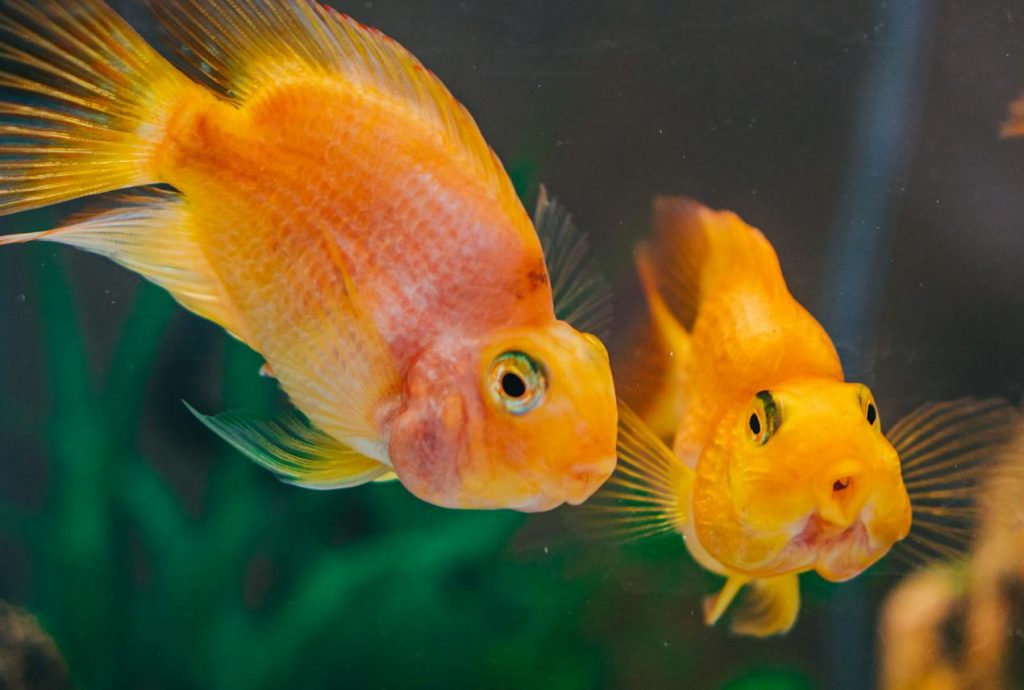
Maintaining the health of aquarium fish requires careful attention to their environment, diet, and overall care. While aquariums can appear calm and self-contained, they are delicate ecosystems where even small imbalances can lead to health problems for fish. Understanding the basics of fish health, recognising early symptoms of disease, and practising good aquarium maintenance are essential for keeping fish healthy and thriving.
This article draws upon expert advice from online aquatics supplier Complete Aquatics and explores the key factors that influence aquarium fish health, some of the most common diseases found in aquariums, and practical advice on preventing illness.
Understanding Aquarium Fish Health
Healthy aquarium fish typically display bright colours, smooth scales, and active behaviour. They swim confidently around the tank, respond to feeding times, and show interest in their surroundings. Their fins should be fully extended and undamaged, their eyes clear, and their breathing calm and steady. When fish are in good health, they generally interact normally with tank mates and show no signs of distress.
When fish become unwell, however, their behaviour and appearance often change. These changes can include lethargy, hiding more than usual, or losing interest in food. Some fish may begin swimming erratically or appear to struggle to maintain balance in the water. Physical symptoms can also appear, such as unusual spots, fuzzy growths, bloating, or damaged fins. In some cases, fish may rub themselves against decorations or gravel in an attempt to relieve irritation.
Recognising these signs early is extremely important, as many fish diseases are easier to treat during their initial stages. Often, fish illness is linked to environmental stress or poor water quality, which means prevention and proper tank management are critical parts of maintaining healthy fish.
Common Aquarium Fish Diseases
Ich (White Spot Disease)
Ich, or white spot disease, is one of the most widespread illnesses affecting freshwater aquarium fish. It is caused by a microscopic parasite known as Ichthyophthirius multifiliis, which attaches itself to the skin and gills of fish.
Fish infected with Ich typically develop small white spots on their bodies and fins that resemble grains of salt. Infected fish may also begin scratching themselves against objects in the aquarium, a behaviour known as flashing. As the infection progresses, fish may become lethargic, breathe more rapidly, and lose interest in food.
Ich often appears when fish are stressed by environmental changes such as sudden temperature fluctuations or poor water conditions. It is also commonly introduced when new fish are added to a tank without quarantine. Treatment usually involves gradually increasing the aquarium temperature, using specialised medication designed to kill the parasite, and improving overall water quality through careful maintenance.
Fin Rot
Fin rot is a bacterial infection that damages the fins of aquarium fish. It is particularly common in tanks where water conditions have deteriorated, allowing harmful bacteria to thrive.
The disease usually begins with the edges of the fins appearing frayed, ragged, or discoloured. Over time, the damage may worsen, causing the fins to appear shorter or uneven as tissue gradually deteriorates. In severe cases, the infection can spread further along the body.
Poor water quality is one of the most common triggers for fin rot, particularly when ammonia or nitrite levels become elevated. Physical injuries caused by aggressive tank mates or sharp decorations can also allow bacteria to enter damaged tissue. Treatment generally involves improving water quality, reducing stress within the tank, and using antibacterial medications if the infection progresses.
Swim Bladder Disorder
Swim bladder disorder affects a fish’s ability to control its buoyancy in the water. The swim bladder is an internal organ that allows fish to maintain balance and adjust their depth in the tank. When this organ is disrupted, fish may struggle to swim normally.
Fish suffering from swim bladder problems may float uncontrollably near the surface, sink to the bottom of the aquarium, or swim at unusual angles. In some cases, they may appear upside down or unable to maintain their balance.
Several factors can cause swim bladder disorder. Overfeeding is one of the most common causes, as digestive issues can place pressure on the swim bladder. Constipation, internal infections, or congenital deformities can also play a role. In mild cases, fasting the fish for a short period and offering easily digestible food can help restore normal function. Maintaining clean water conditions is also essential for recovery.
Fungal Infections
Fungal infections appear as soft, cotton-like growths on the body, mouth, or fins of aquarium fish. These infections are often secondary problems that occur when fish have already been weakened by injury, stress, or another illness.
The fungus typically grows on damaged tissue and may spread if conditions in the aquarium allow it to thrive. Fish affected by fungal infections may appear sluggish, and the infected areas can gradually enlarge if left untreated.
Treatment usually involves improving water quality, removing the source of injury or stress, and using antifungal treatments specifically designed for aquarium use.
Dropsy
Dropsy is not a specific disease but rather a condition that indicates serious internal problems within the fish. It is usually associated with bacterial infections that affect the internal organs, particularly the kidneys.
Fish with dropsy develop a swollen abdomen due to fluid accumulation inside the body. As the condition progresses, the scales may begin to stick outward, creating a distinctive pinecone-like appearance. Fish may also become lethargic and lose their appetite.
Unfortunately, dropsy is often difficult to treat once symptoms become advanced. Early intervention, including isolation of the affected fish and the use of antibiotic treatments, may improve the chances of recovery. However, prevention through good aquarium management remains the most effective approach.
Causes of Fish Health Problems
Many diseases in aquarium fish share common underlying causes. The most significant of these is poor water quality. Aquariums rely on biological filtration to break down harmful waste products produced by fish and uneaten food. If this balance is disrupted, toxic compounds such as ammonia and nitrite can quickly accumulate in the water. Even small amounts of these substances can stress fish and weaken their immune systems.
Stress itself is another major contributor to illness. Fish can become stressed by overcrowded tanks, incompatible tank mates, sudden environmental changes, or inappropriate water conditions for their species. When fish are stressed for extended periods, their resistance to disease decreases significantly.
Diet also plays an important role in fish health. Fish require balanced nutrition to maintain strong immune systems and proper growth. Feeding a varied and high-quality diet helps ensure fish receive the nutrients they need, while overfeeding should be avoided as it can lead to digestive issues and water pollution.
Maintaining Good Aquarium Fish Health
Preventing disease is far easier than treating it once it appears. One of the most effective ways to maintain healthy fish is by keeping the aquarium environment stable and clean. Regular water changes help remove waste products and maintain safe water chemistry, while properly maintained filtration systems support beneficial bacteria that break down toxins.
Aquarium stocking levels should also be carefully considered. Overcrowding not only increases waste levels but also raises stress levels among fish. Providing adequate space allows fish to establish territories and behave naturally.
Introducing new fish into an aquarium should always be done with caution. A quarantine tank allows new arrivals to be observed for several weeks before they join the main tank. This helps prevent the introduction of parasites or diseases that could quickly spread to other fish.
A balanced diet also contributes significantly to fish health. High-quality foods designed for the specific needs of the species should be provided, and feeding should be done in controlled amounts to prevent excess waste. Many species benefit from a varied diet that includes flakes or pellets, frozen foods, and occasional vegetable matter.
Finally, maintaining stable water parameters is essential. Fish are highly sensitive to changes in temperature, pH, and other environmental factors. Using reliable equipment such as heaters, thermometers, and water testing kits helps ensure conditions remain suitable for the species being kept.
Conclusion
The health of aquarium fish depends largely on the quality of care provided by the aquarist. Most diseases arise from preventable factors such as poor water quality, stress, and inadequate nutrition. By maintaining a clean, stable environment and closely observing fish behaviour, many health problems can be avoided entirely.
A well-maintained aquarium supports strong immune systems, natural behaviour, and vibrant colours in fish. With careful monitoring and good husbandry practices, aquarists can create an environment where fish remain healthy, active, and enjoyable to observe for many years.




More Stories
Aquarium Rental: A Smart, Impactful Choice for Businesses & Schools
The Global Most Feared Ocean Creature Shark