
Publication Date: April 7, 2023
German Shepherds consistently rank among the most sought-after dog breeds worldwide due to their intelligence, loyalty, and exceptional trainability. These qualities make them ideal companions for families, working roles, and personal protection. As a result, trained German Shepherds are in high demand, especially among buyers who want a well-mannered dog without going through months or years of foundational training.
Purchasing a trained German Shepherd can offer immediate benefits, but it also comes with a significant financial commitment. Understanding what you are paying for and what level of training best suits your lifestyle is essential before making a decision.
Trained German Shepherd Puppies and Early Training Programs
Many buyers choose German Shepherd puppies that have already completed early training programs. These programs are designed to introduce structure, socialization, and basic obedience during a puppy’s most formative developmental stages.
Early training helps puppies adapt more easily to new environments and reduces the likelihood of behavioral issues later in life. Puppies exposed to different people, sounds, environments, and routines at a young age typically grow into more confident and well-balanced adult dogs.
The Importance of Early Socialization and Training
Puppies that experience positive interactions early tend to develop stronger temperaments and better emotional stability. Early exposure to handling, grooming, travel, and everyday household activity prepares them for real-world situations as they mature.
Training often begins as early as three weeks of age, focusing on confidence-building exercises rather than strict obedience. This early foundation makes future training more effective and helps puppies learn faster as they grow.
What to Expect From a Puppy Training Program
An early training or “quick start” program typically focuses on introducing structure and routine. Puppies learn basic obedience cues, begin crate training, and start housebreaking. They are also introduced to car rides, grooming, and supervised social interaction, all of which help reduce anxiety and fear-based behaviors later in life.
While these programs do not replace full obedience training, they give puppies a strong head start and make them easier to manage for new owners.
Adult Trained German Shepherds and Advanced Capabilities
For buyers who want immediate reliability and advanced skills, an adult trained German Shepherd may be the better option. These dogs often come with established obedience, impulse control, and experience handling real-life scenarios.
Adult trained dogs are particularly appealing for individuals seeking working dogs, service companions, or personal protection animals, as much of the foundational work has already been completed.
Training Levels and Specialization
A properly trained adult German Shepherd should demonstrate consistent obedience both on and off leash, reliable recall, and excellent behavior in public settings. Some dogs go beyond basic obedience and receive specialized training for protection or security roles.
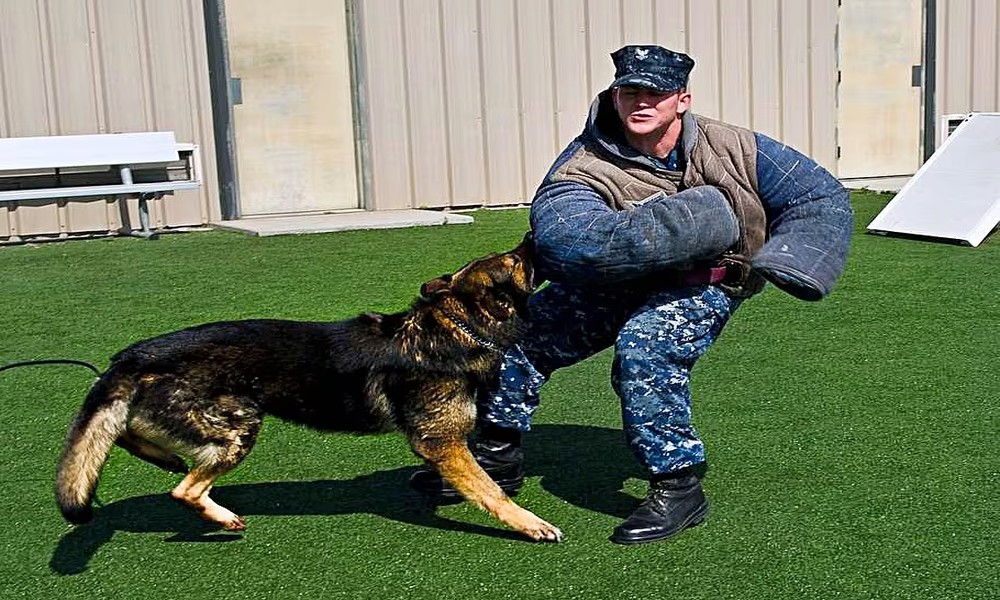
Protection training focuses on controlled responses, threat assessment, and handler awareness rather than uncontrolled aggression. Well-trained protection dogs are stable, confident, and capable of distinguishing between normal situations and genuine threats.
Key Considerations When Choosing a Protection Dog
Not every German Shepherd is suited for protection work. Temperament, nerve strength, confidence, and drive all play a role in determining whether a dog can safely perform protection tasks.
A quality protection dog should be calm and affectionate with family members while remaining alert and responsive when necessary. Evaluating temperament and compatibility with your household is critical before bringing a trained protection dog home.
What Advanced Training Looks Like in Practice
A fully trained adult German Shepherd should navigate everyday life with ease, whether at home, in public spaces, or around distractions. This includes calm behavior around strangers, controlled responses to stimuli, and strong handler focus. Advanced training ensures the dog can transition smoothly into your lifestyle without constant correction.
How to Find a Trained German Shepherd for Sale
When searching for a trained German Shepherd, it is important to evaluate more than just training credentials. Ethical breeding practices, transparent training methods, and proper health screening all play a significant role in the long-term success of the dog.
Breeding Standards and Training Philosophy
Reputable breeders and trainers prioritize the physical and mental well-being of their dogs. Training methods should emphasize positive reinforcement, consistency, and clear communication. Asking detailed questions about how the dog was raised and trained can help ensure a good match.
Health Testing and Genetic Screening
Health clearances are essential when purchasing a trained German Shepherd. Buyers should confirm testing for hip and elbow dysplasia and review genetic screening results to identify potential hereditary conditions. A healthy foundation supports longevity and performance, especially for working or protection dogs.
Pricing and Availability of Trained German Shepherds
The cost of a trained German Shepherd varies widely depending on lineage, health testing, and level of training. Dogs with advanced obedience or protection training command higher prices, particularly when sourced from proven bloodlines. Availability may also be limited, as fully trained dogs require significant time and resources to develop.
Frequently Asked Questions About Trained German Shepherds
Many buyers ask whether it is possible to purchase a German Shepherd that is already trained, and the answer is yes. Well-established programs offer dogs trained in everything from basic obedience to advanced protection skills.
The most challenging age for German Shepherds is often adolescence, typically between six months and two years. During this period, consistent training and structure are especially important.
Training labels such as “Level 1” generally indicate completion of basic obedience training, though definitions vary. These dogs are usually responsive to core commands and well-socialized but may need additional training for specialized roles.
Final Thoughts on Buying a Trained German Shepherd
A trained German Shepherd can offer companionship, confidence, and peace of mind from the moment they enter your home. However, training does not end at purchase. Continued reinforcement, mental stimulation, and socialization are essential to maintaining a well-adjusted and reliable dog.
With the right preparation and ongoing commitment, a trained German Shepherd can become a loyal, dependable partner for years to come.