
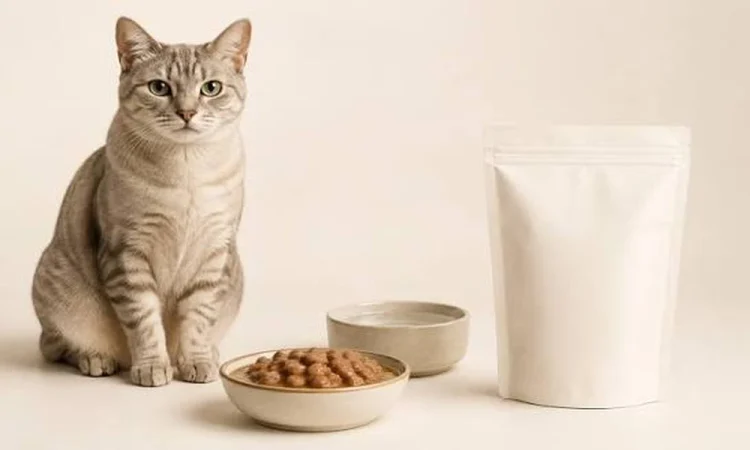
Cats may develop liver problems quietly and nutrition is a significant part of the care. The proper diet plan will be determined by the kind of liver condition, which is why the vet should be the pioneer. This article describes what owners need to know concerning cat food for liver disease (อาหารแมวโรคตับ) and maintaining it when it is sick.
Discussing how to feed cats with liver disease
Recognizing possible signs of liver trouble
Symptoms may be missed at an early age. Cats hide disease till it is highly developed. Early detection will assist a vet in intervening at an earlier stage. Symptoms which can indicate liver issues include:
- Reduced appetite or refusing food: The loss of appetite or the refusal to eat, particularly in cats and which is life-threatening and requires immediate veterinary care.
- Weight loss and tiredness: Gradual deterioration of body state, loss of energy and more time in hiding or snarling.
- Vomiting or drooling: Vomiting or drooling (or continuing nausea) longer than a few days.
- Yellow tinge to eyes, gums, or skin: Jaundice, may be yellow in colour and emergency treatment should be carried out by the veterinarian.
Why veterinary diagnosis comes first
There are a number of causes and types of liver disease. They have different needs in feeding. Making educated guesses about a diet may have counterproductive effects. A veteran will normally put into account:
- Physical examination: Measures weight, hydration, gums and presence of a problematic abdominal cavity to the most.
- Blood and urine tests: Tests that the laboratory results show the activities of the liver and other organs.
- Imaging or other tests: Scans or samples that assist in determining the specific condition and making the safest choice of how to treat it.
Protecting against not eating
At especially high risk are cats that cease to eat. When a cat is not eating, the fat may accumulate in the liver worsening the liver problems. Introduction of calories into a cat is frequently of prime importance. Some important things to realize are:
- Never allowing a cat to go without food: Call a vet when a cat eats very little, and goes more than a day or so.
- No fasting or crash diets: Caution against using quick weight loss programs, as rapid weight loss is toxic to cats.
- Veterinary feeding support: A cat that refuses to eat should be fed with assistance or fed through advice on feeding support or fed in a hospital.
- No forced feeding without guidance: They should not attempt to force feeding through the mouth without instruction on how to do it safely.
Nutrition goals in a feeding plan
The condition of the cat will guide the vet towards selecting a diet. Cats require good protein and it is not safe to cut it off. Therapeutic diets are eating regimes that are tailored to achieve information needs. Examples of typical nutrition objectives are:
- Enough energy: Making sure that the cat receives enough calories to allow the cat to keep weight and prevent the breakdown of body tissues.
- Highly digestible protein: Providing quality protein in quantities that meet the condition, as recommended by a vet.
- Supportive nutrients: Incorporation of antioxidants and other nutrients that could be useful in complementing liver health into a healthy diet.
- Complete and balanced nutrition: Application of diets that are designed to provide all the needs of cats in the long run, in terms of their nutrient requirements.
Practical feeding tips at home
Principled eating can be enhanced through tiny practices. Time is an issue, as ill cats are finicky. Cats also suffer loss of appetite when things suddenly change. Some tips that the owners of the vets can talk about:
- Offering small, frequent meals: Dividing the food of the day into many portions which to a nauseous cat may sound much easier.
- Warming food slightly: Wet food can be warmed slightly to body temperature, a process that can heighten the food’s smell and attractiveness.
- Making the transition gradual: Transitioning to a new diet should be gradual during the course of several days unless specified otherwise by a vet.
- Tracking intake and weight: Keeping a record of the cat’s nutrition and weight so that the change is observed promptly.
Safety cautions to remember
Not all the products are compatible with a cat with liver disease. Certain foods and medicines, as well as supplements, are dangerous . Never add anything without investigating. Important cautions include:
No human medicines: Never administering human pain medication or any other medication, as many of them are cat toxins.
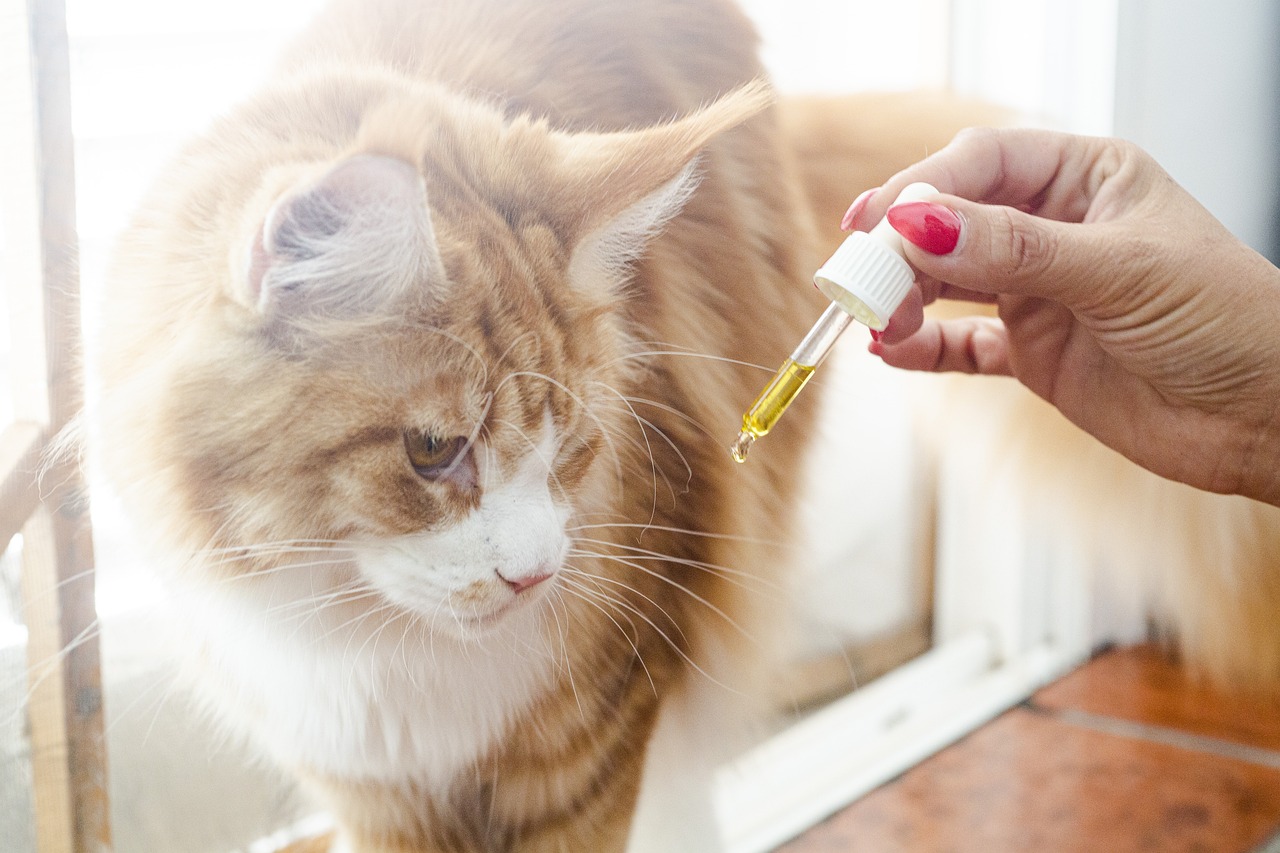
Supplements only with advice: Do not use herbal or over the counter supplements without a recommendation by a veterinarian.
Careful with raw or unbalanced diets: It is possible to enjoy raw or unbalanced diets, but to be sure, first check with a vet as it can introduce an additional risk to the combinations.
Regular rechecks: Checking back on the tests frequently during the course of the treatment in order to correct the diet and the treatment on the necessary basis.
Conclusion
Being able to feed a cat with liver disease requires collaboration with a vet, a lack of long periods between feeds, and an appropriate therapeutic diet. Recovery is aided with the help of small and frequent meals and close observation. Early veterinary consultation provides the most chances to cats in controlling the condition.