
The Shift From Table Scraps to Strategic Rewards
Dog ownership has changed shape over the past two decades, and so has the way people feed their dogs between meals. Where a biscuit from a box or a piece of leftover chicken once sufficed, owners now treat the reward itself as part of a larger training strategy. This shift didn’t happen overnight. It came from a slow accumulation of knowledge about canine learning, paired with a growing willingness among owners to spend time and money on getting training right the first time.
Early dog training relied heavily on correction-based methods, where treats played a minor supporting role at best. As positive reinforcement techniques gained traction through the 1990s and 2000s, the treat stopped being a bonus and became a communication tool. Trainers started talking about timing, value, and texture in ways that would have sounded excessive to a previous generation of dog owners. A treat wasn’t just a treat anymore; it was a signal that told a dog exactly which behavior had worked.
What Trainers and Owners Have Learned About Treat Quality
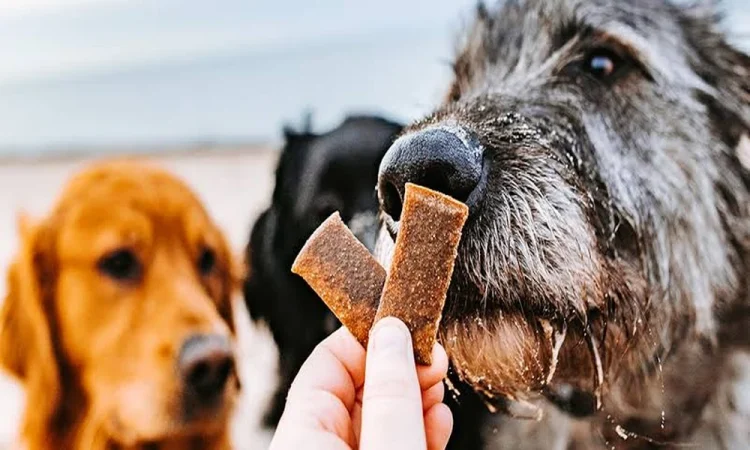
Years of hands-on training sessions have shown that not all treats function the same way inside a training session. Resources like the guide on rewarding dog treats lay out a distinction that experienced trainers already knew instinctively: size, scent, and texture matter as much as ingredient quality when a dog needs to stay focused during a twenty-minute session. A treat that takes too long to chew breaks momentum. One with a weak smell fails to compete with the distractions of a park or a busy kitchen.
Owners who have worked through multiple training phases, from basic commands to more advanced recall work, often notice that their dog’s enthusiasm shifts depending on what’s in the pouch. A treat that worked beautifully for sit and stay might lose its pull once the dog is asked to ignore a squirrel thirty feet away. This has pushed many households to keep a tiered system of rewards, saving the most aromatic or high-value options for situations that demand real focus.
Veterinarians and nutrition-focused trainers have also weighed in on ingredient sourcing, pointing out that treats made with recognizable, limited ingredients tend to cause fewer digestive issues during repeated use. Since training treats are given in volume, sometimes dozens of times in a single session, this matters more than it would for an occasional snack. Dogs with sensitive stomachs have shown clearer patterns of good behavior when their training rewards are consistent and gentle, rather than rich or unfamiliar.
Building a Treat Routine That Actually Supports Learning
Applying these lessons in a normal household starts with rethinking portion size before anything else. Many owners default to giving a treat that’s far larger than necessary, which fills a dog up after six or seven repetitions and shortens the useful training window. Breaking treats into pea-sized pieces, or choosing treats that are naturally small, allows for longer sessions without overfeeding, and it keeps a dog’s attention sharp rather than sluggish from a full stomach.
Consistency across environments also plays a bigger role than most people expect. A treat that works at home during a quiet afternoon might not hold a dog’s attention on a crowded sidewalk or at a noisy dog park. Owners who rotate a few trusted treat types based on the difficulty of the environment tend to see steadier progress than those who use the same reward everywhere regardless of distraction level. This kind of flexibility doesn’t require a complicated system, just a bit of attention to what the dog is actually responding to in the moment.
Storage and freshness deserve more attention than they typically get, too. Treats that sit in a half-open bag for weeks lose aroma and can become less appealing to a dog’s nose, which is the primary sense driving its interest in the first place. Keeping treats sealed, and rotating stock rather than letting one bag linger for months, preserves the kind of smell and texture that keeps a dog motivated session after session.
None of this requires turning treat selection into a science project. It simply means treating the reward as part of the training plan rather than an afterthought grabbed off a shelf. Owners who put a little thought into size, freshness, and variety tend to see their dogs stay engaged longer, which makes every walk, command, and correction easier to teach and easier to reinforce over time.